Data centre operators
14 articles
 Consensus
Inside Tenzro's Consensus: DAG-Based BFT for a Network of Machines
How Tenzro orders transactions with a DAG protocol, makes finality portable with hardware-signed checkpoint certificates, hands over between committees at epoch boundaries, and checks the code against a formal model step by step.
6 min read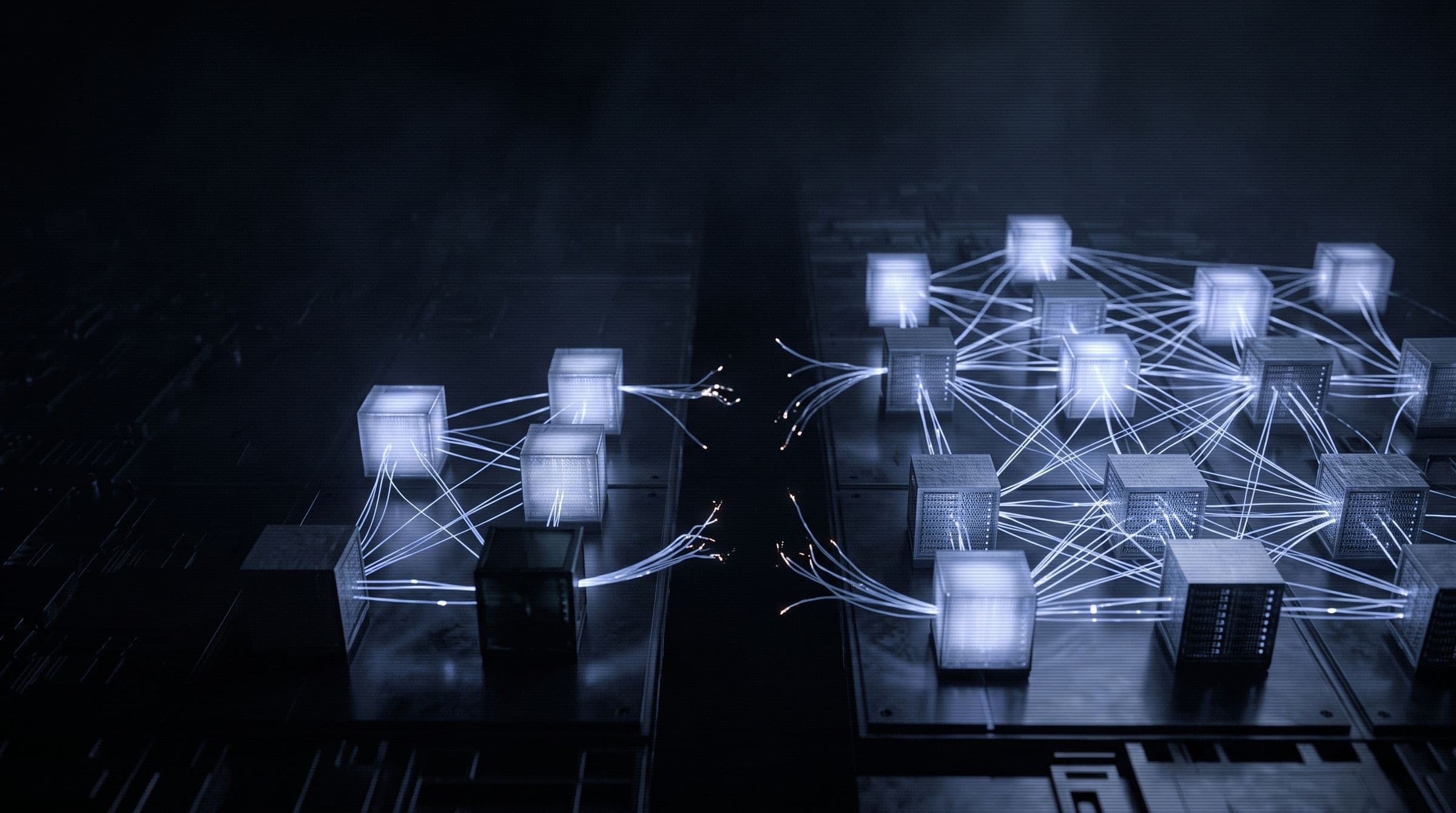 Consensus
Breaking Our Own Network: Chaos Testing a BFT Consensus
How we partition, restart and skew a private Tenzro network on purpose, what we check while it happens, and the class of catch-up bug that taught us to measure progress by what a node actually executed.
6 min read Confidential computing
Confidential Computing for Regulated AI: What Attestation Proves
TEE sessions and remote attestation let a regulated workload run on someone else's hardware with evidence of what code ran. What a report actually proves, what it cannot, and how Tenzro verifies, binds and routes confidential work.
5 min read Distributed training
Distributed Training Across Clusters: What Works Over the WAN Today
Low-communication training has moved from paper to practice, with models trained across continents and among peers who come and go. What the research shows, what still binds, and where an open network of verifiable machines helps.
4 min read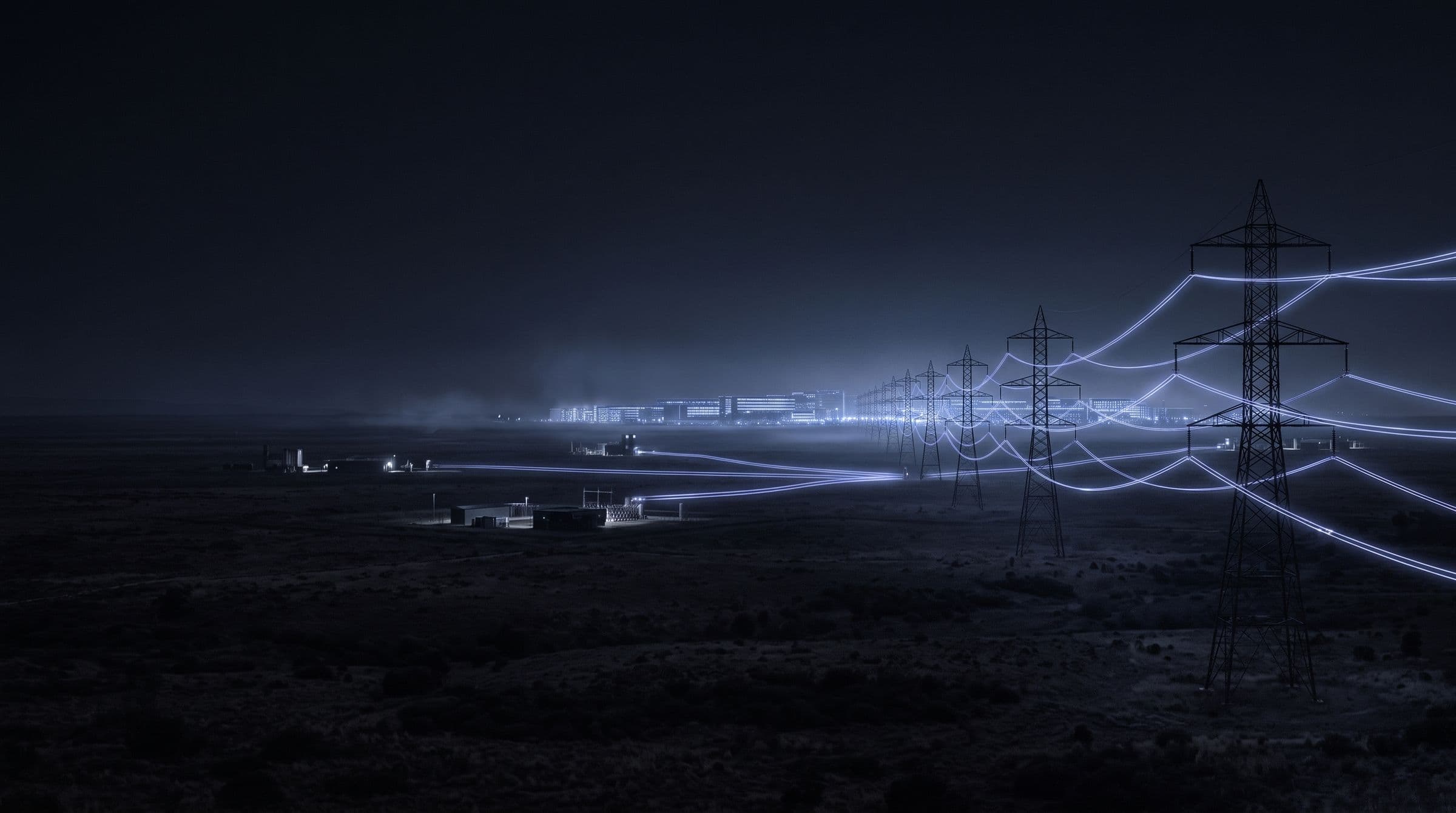 Energy and placement
Energy, power and placement: routing AI work to capacity
Power and grid connections, not chips, now limit where AI capacity can grow. This article sets out what the IEA, the US Department of Energy and EU rules say about data-centre electricity, and why routing flexible inference to where power and capacity already exist is a policy and engineering lever.
5 min read Sovereign AI
EU AI Act, NIS2 and the Data Act: a guide for AI operators
Three EU laws now shape how AI infrastructure is run in Europe. This guide sets out the dates that apply after the 2026 Digital Omnibus on AI, the obligations that reach operators, and the evidence worth producing by default.
7 min read Distributed computing
From idle capacity to served inference: what operators need
Inference demand rises and falls through the day, so most AI capacity has spare hours. This article covers the five things a data-centre operator needs to sell those hours on an open network: machine identity, a trusted model supply, metering, proof of availability and direct settlement.
5 min read Distributed computing
GPU operators: sell compute on verifiable service levels
Conventional cloud SLAs are measured by the provider, and the customer has to claim any credit. On an open market of independent GPU operators, availability and output have to be verified by someone else, and payment has to follow the verification. This article explains how that works and what it changes for operators.
6 min read Hardware identity
Hardware-Rooted Identity for Machines: TPMs, Enclaves and Passkeys
A key file can be copied, and a copied key is a second machine nobody knows about. Why Tenzro derives every machine and person's identity from keys that never leave hardware, and how that works on servers, laptops and boards without a TPM.
5 min read Inference optimization
Inference Optimisation From Consumer GPUs to the Data Centre
Quantisation, speculative decoding, continuous batching, paged and reused KV cache, and prefill/decode disaggregation: what the 2025-2026 work shows, and what each technique means when the GPUs belong to many operators on a wide-area network.
6 min read Networking
 for Distributed Inference: Gossip, Re-announcement and Load
A network of machines behind home routers, carrier NAT and corporate proxies still has to deliver every transaction and every heartbeat. How Tenzro's transport, gossip budgets and re-announcement keep messages from getting lost under load.
5 min read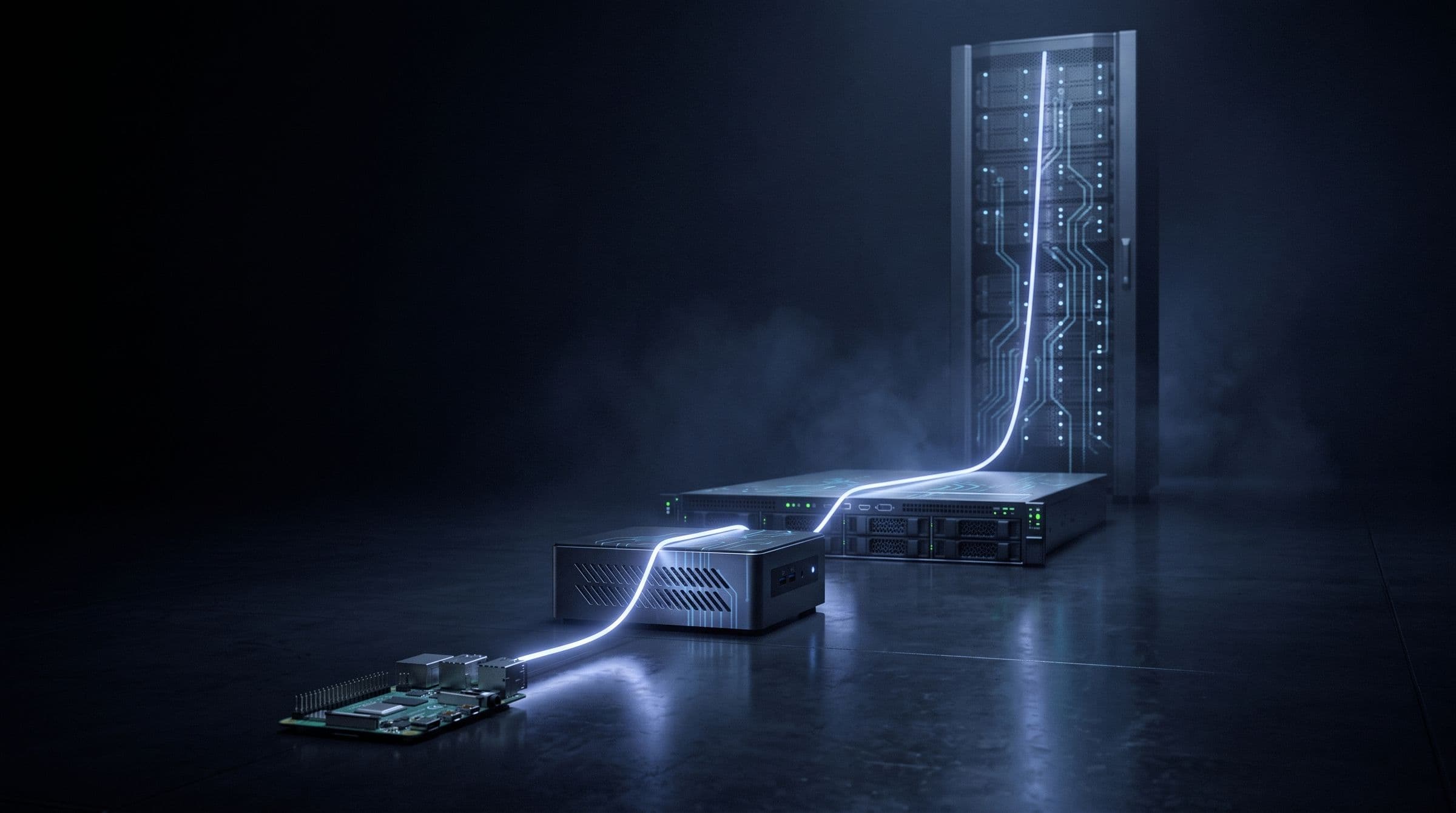 Edge AI
One Codebase From a Single-Board Computer to a Rack
Tenzro builds one node for every class of machine, from a Raspberry Pi to a GPU server, by varying compiled features and resource presets rather than forking the code. How the tiers work, what we measured, and why small devices belong in an AI network.
5 min read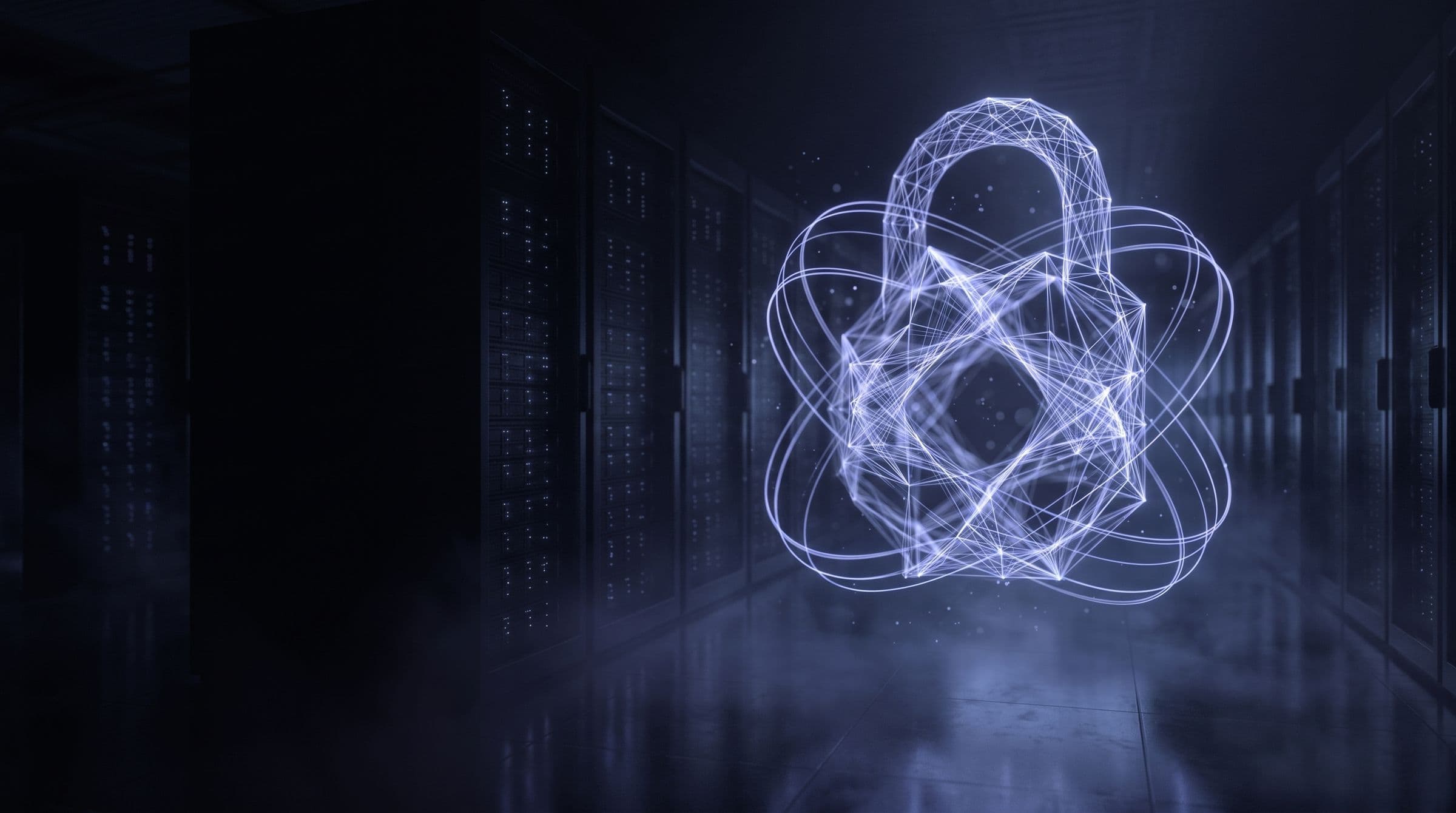 Security
Preparing AI Infrastructure for Post-Quantum Cryptography
NIST's ML-KEM, ML-DSA and SLH-DSA standards are final, the IETF has standardised hybrid key exchange for TLS, and the US and EU have set dates. A practical migration plan for AI infrastructure, and how Tenzro applies hybrid post-quantum keys today.
5 min read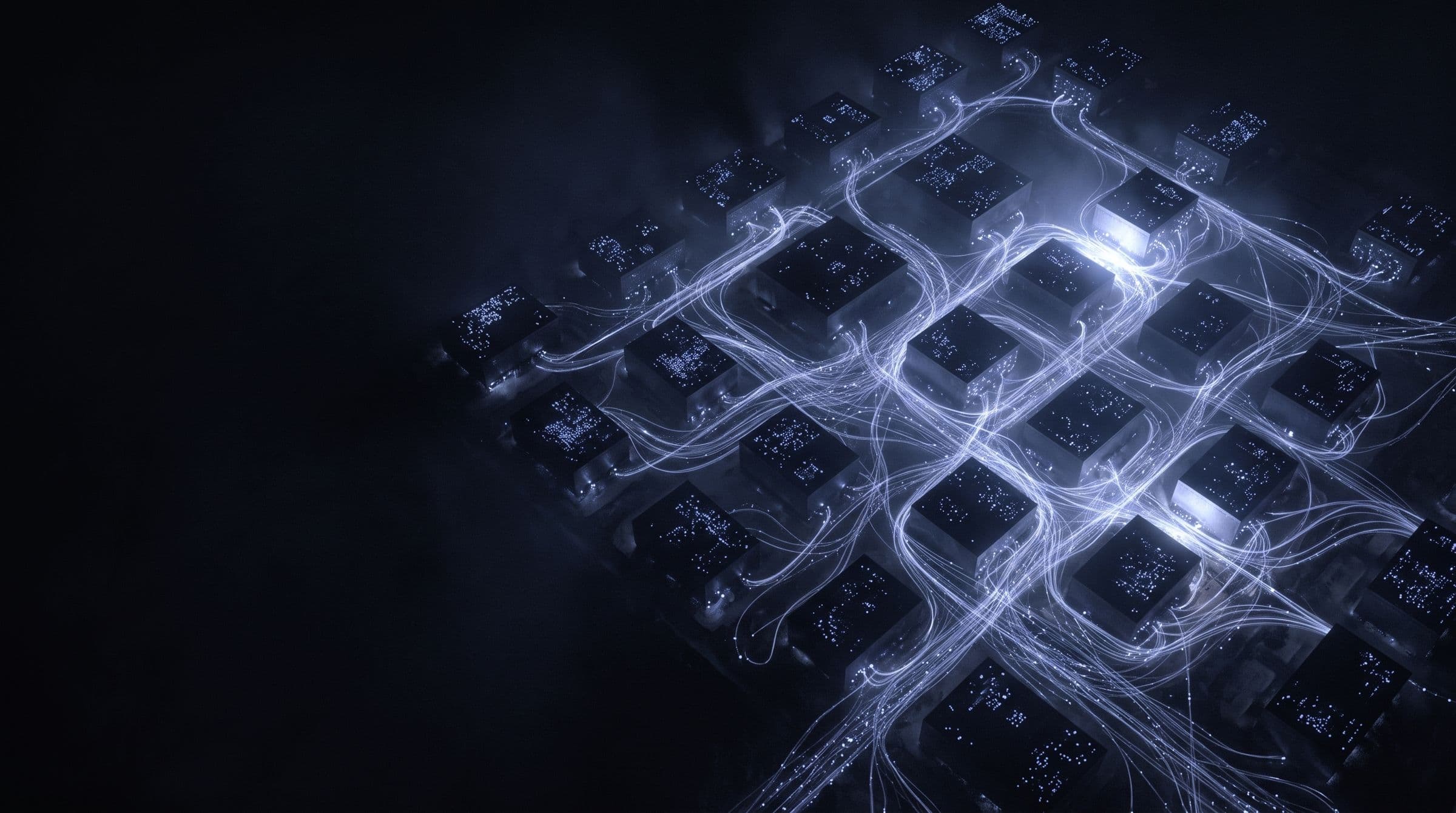 AI factories
Utilisation decides AI factory economics
An AI factory's accelerators cost the same whether they are busy or idle, so served work per installed accelerator is the number that matters. This article covers where utilisation is lost, and how matching demand across many operators recovers some of it.
5 min read